Keeping people in control when AI acts on their work.
I designed how engineers and architects accept, deny, redirect, edit and undo what an AI assistant does, in chat and on the canvas.
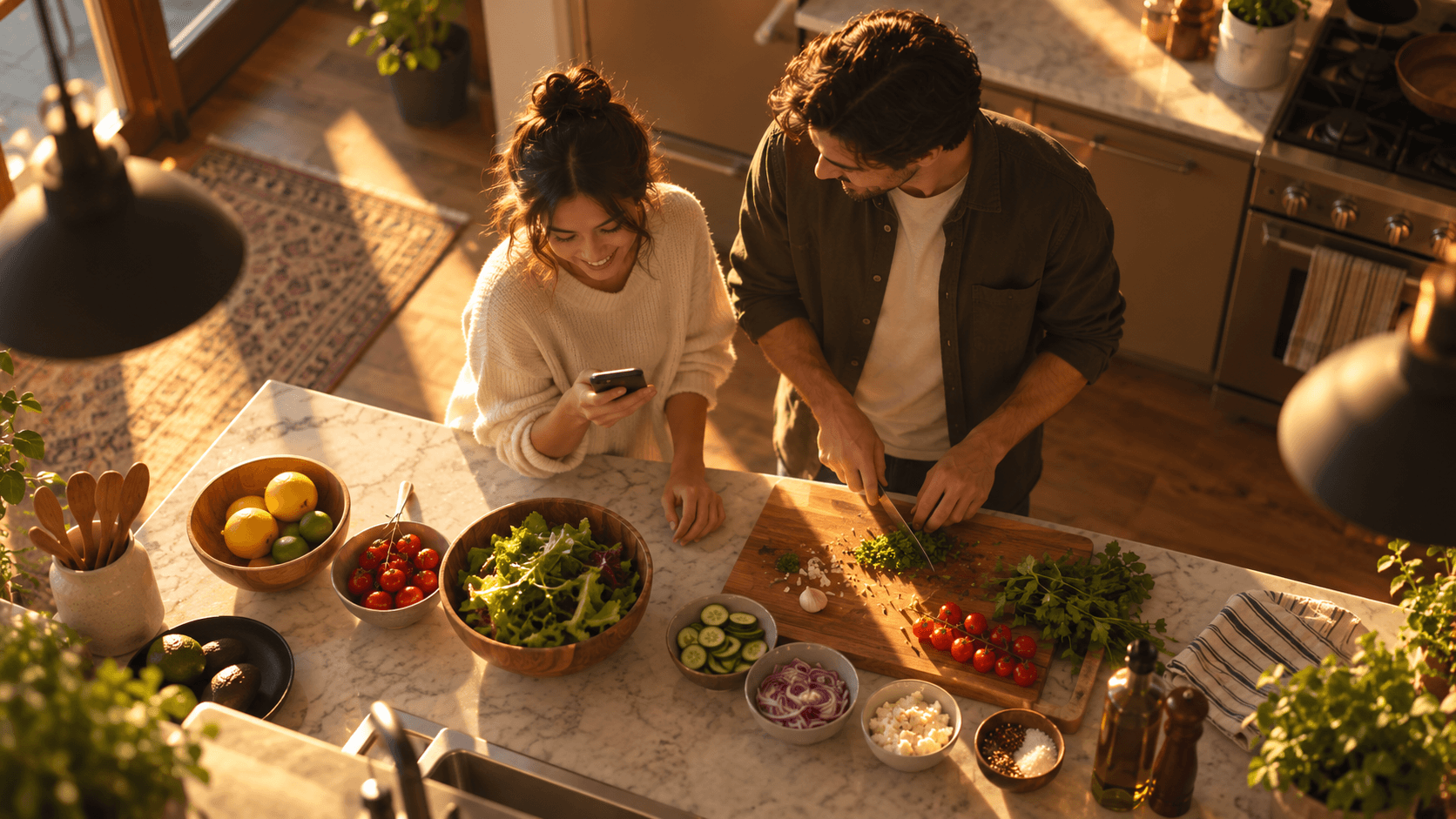
I’m currently building agentic experiences at Autodesk. Previously, I worked as an experience designer with teams at Volkswagen of America, Nike, and Merck. When I’m not winning over clients, I’m honing my woodworking skills, cooking Peruvian food, or hanging out with Stella.
Enterprise and consumer products I’ve designed from a car launch to an AI assistant.
I designed how engineers and architects accept, deny, redirect, edit and undo what an AI assistant does, in chat and on the canvas.

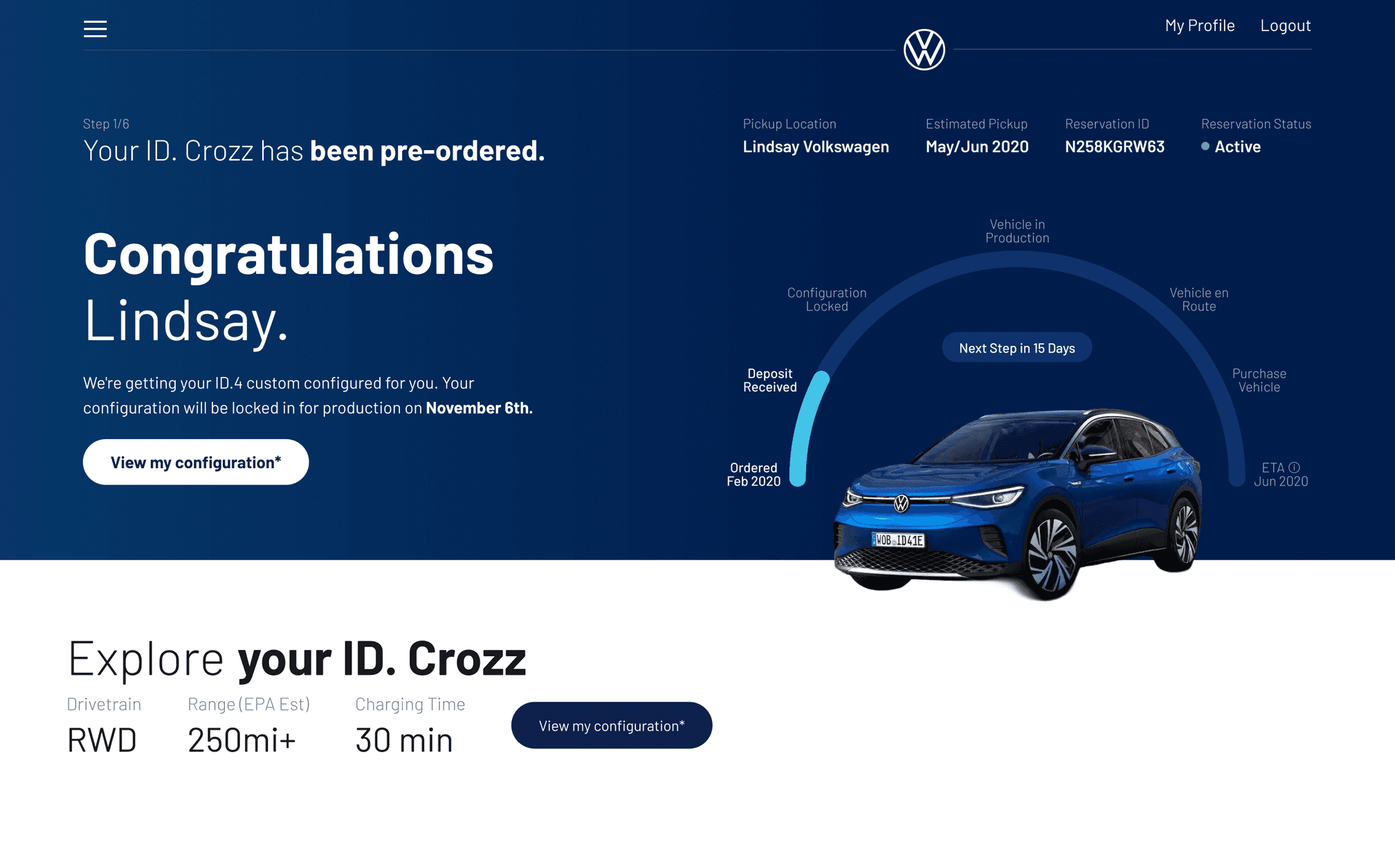

VW was selling its first electric SUV in a market built around dealership visits. I finalized the key reservation flows for a fully digital purchase. In the first 48 hours the platform took over 2,000 reservations, double VW’s target.
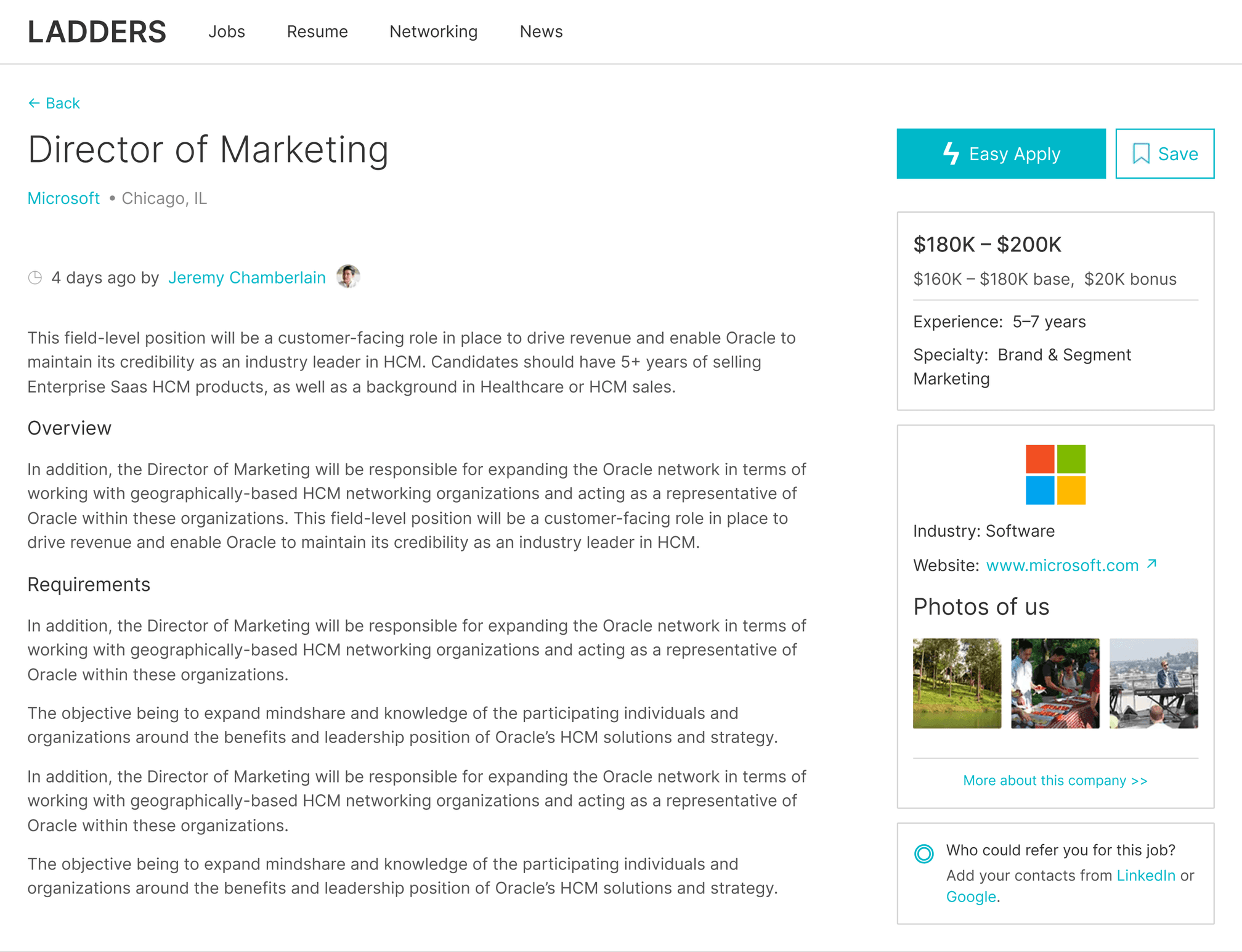
Registration, resume upload, emails and checkout were separate experiences, and people left between them. I connected them into one flow. Simpler registration cut drop-off 60%. Reframing resume upload as progress lifted sign-up completion 45%. The Resume Performance Report email hit a 22.3% open rate, 48% above benchmark.
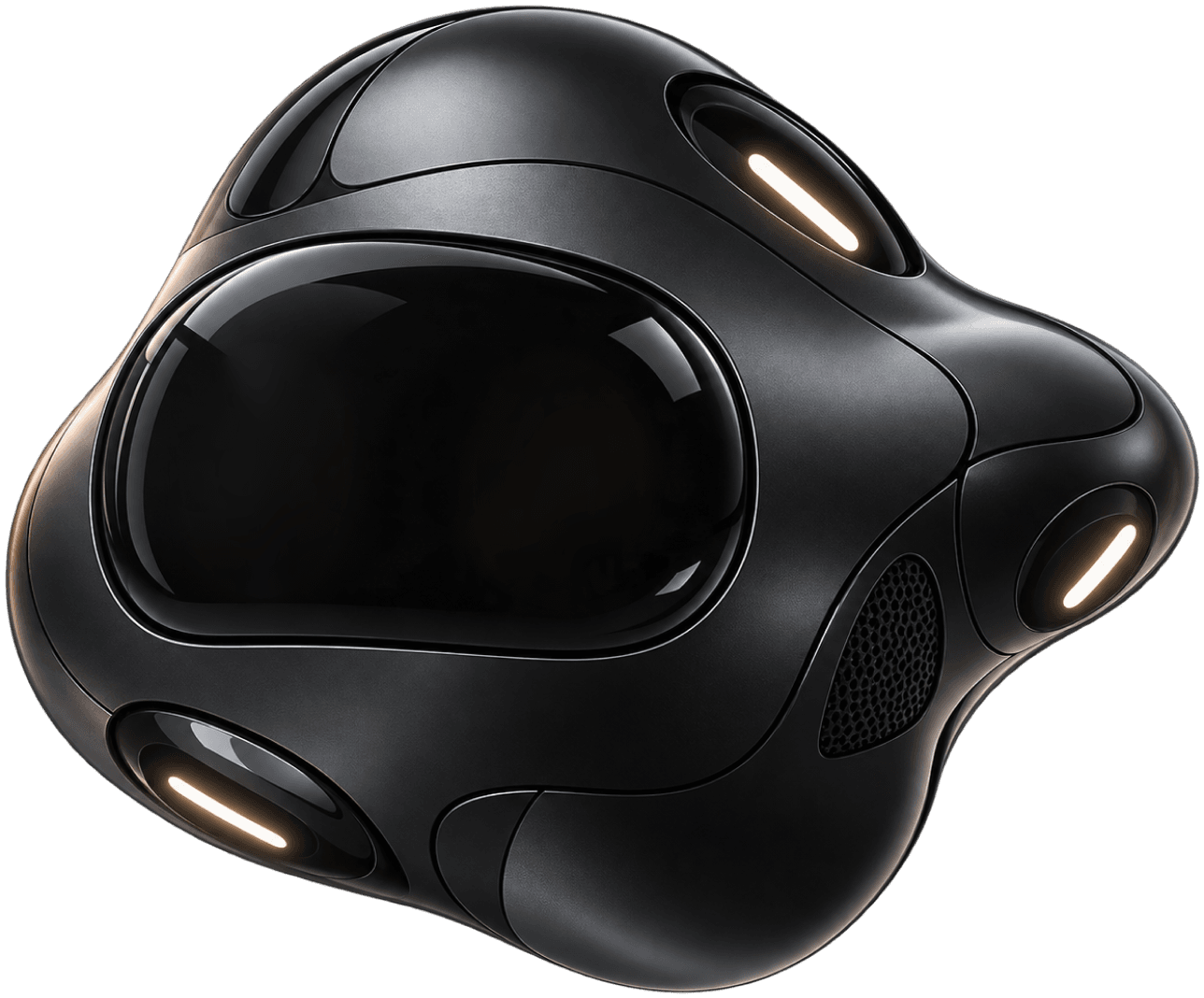
Products I design, build and ship on my own, using agentic AI workflows.
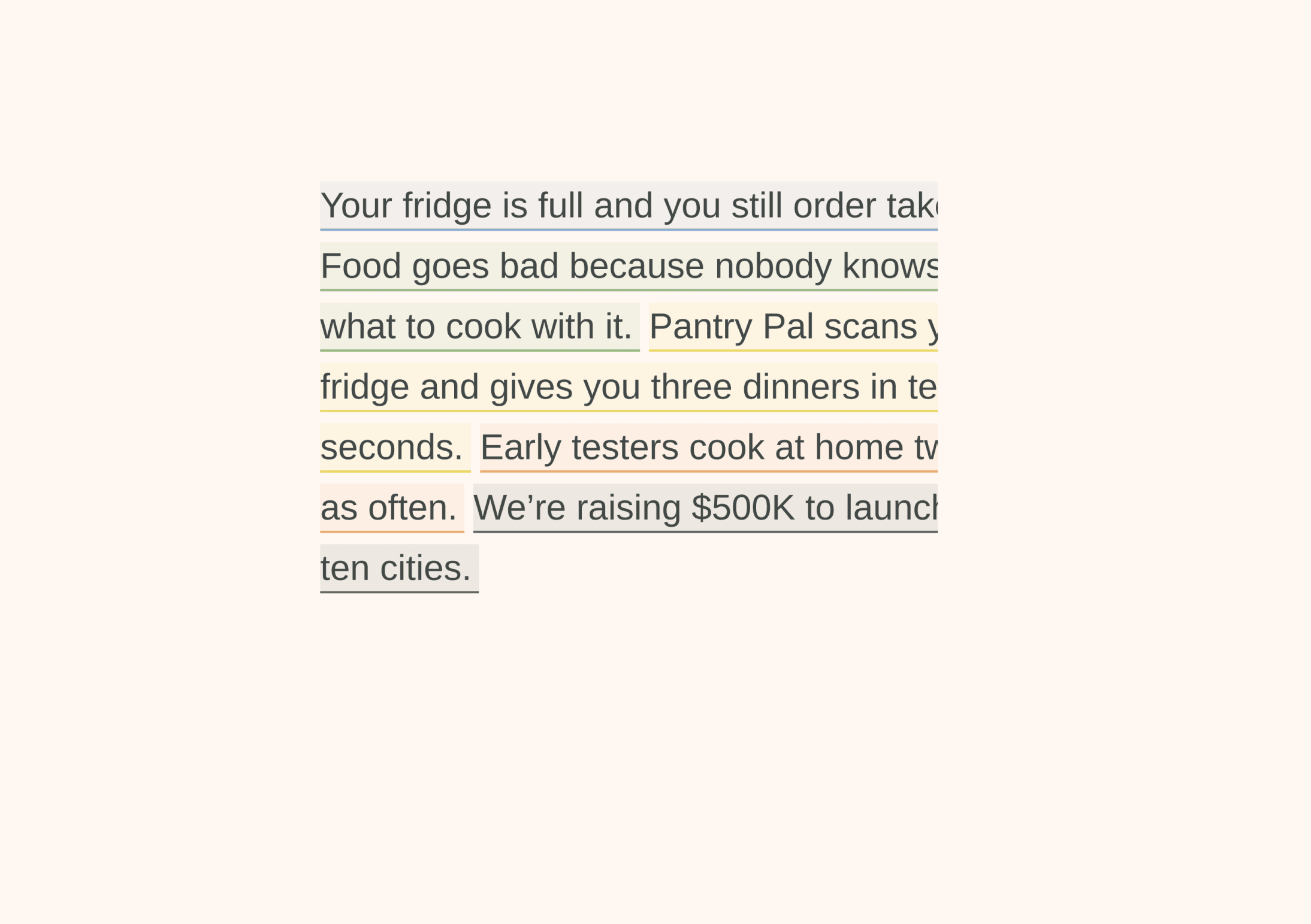
Building the system that takes AI prototypes beyond the demo.
Making food logging work for the meals I grew up eating.
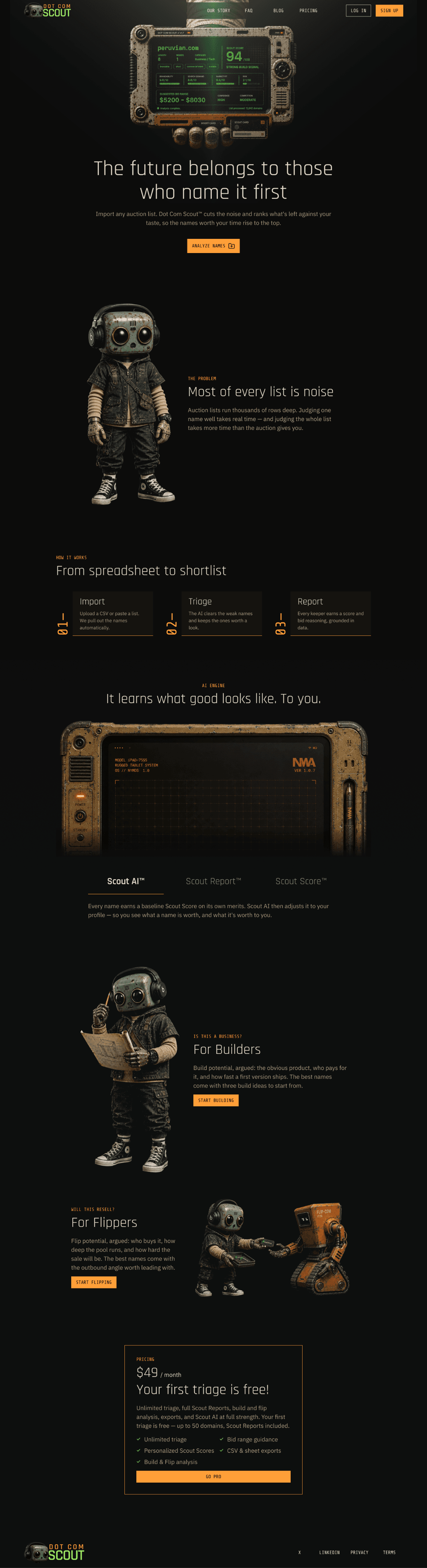
Narrowing thousands of expiring domains to 300 worth reviewing.
Letting AI decide what a day looks like, without inventing what happened.

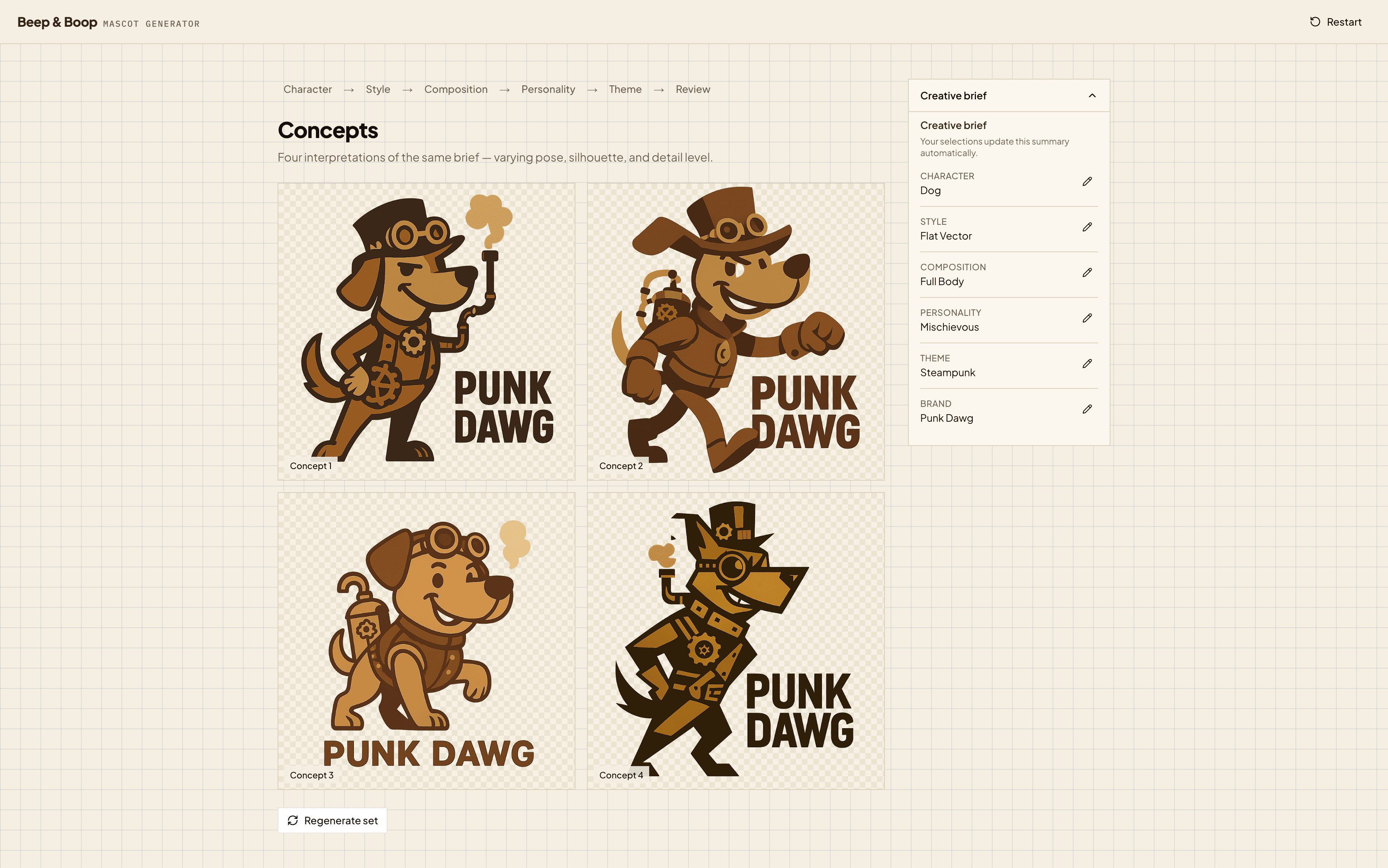
Helping founders create a mascot they can use beyond a single image.
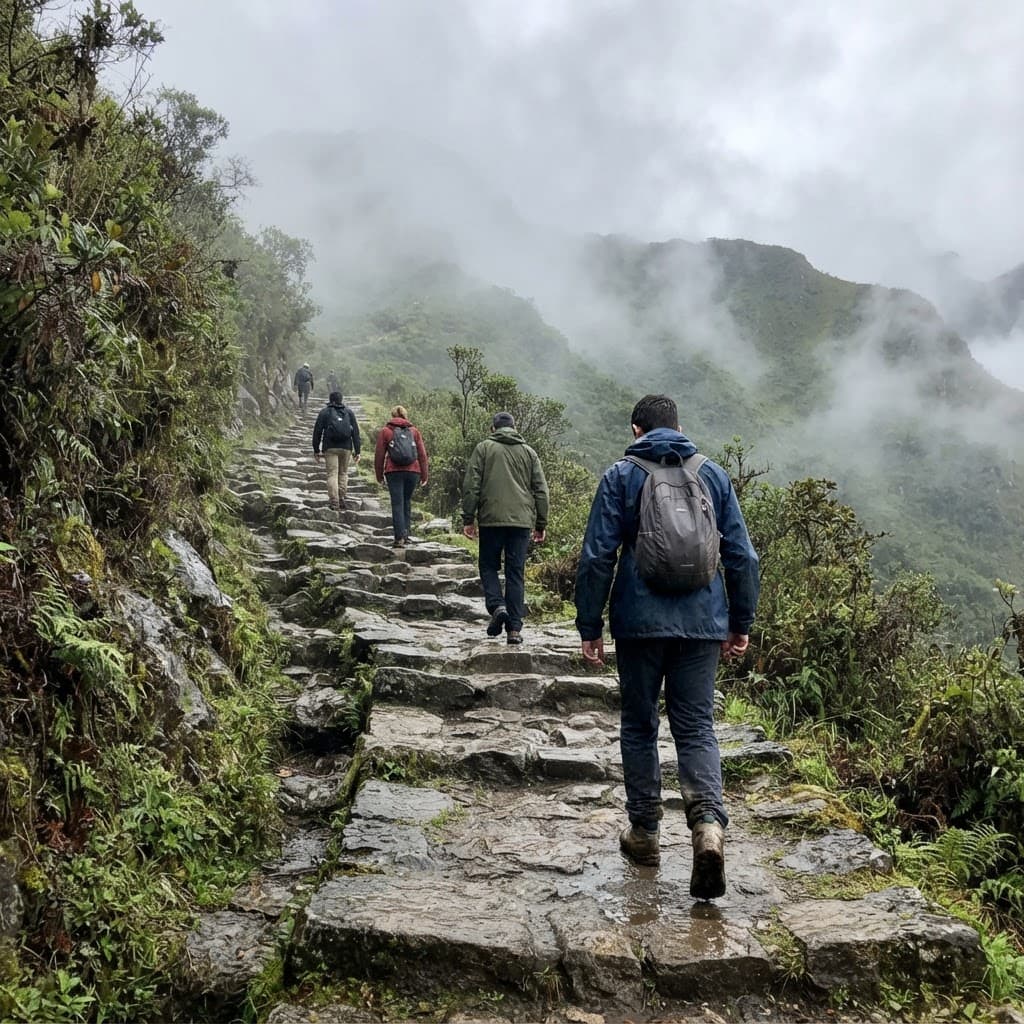
Helping travelers plan the Inca Trail without selling them a tour.
As a designer, I’d be lying if I said I wasn’t presently worried about the profession I’m in. Our industry, and the world around it, is changing faster than I can fully make sense of. I wonder where the craft I’ve spent years learning fits into what comes next, and what these changes will mean for the people behind the work.